AI Engineering Articles
Articles and tutorials on AI engineering, covering machine learning, deep learning, model development, deployment pipelines, optimization, LLM usage, prompt engineering, and applied AI development patterns.
Page 1/2
AILLMsAI AgentsAI InfrastructureClaudeGPT
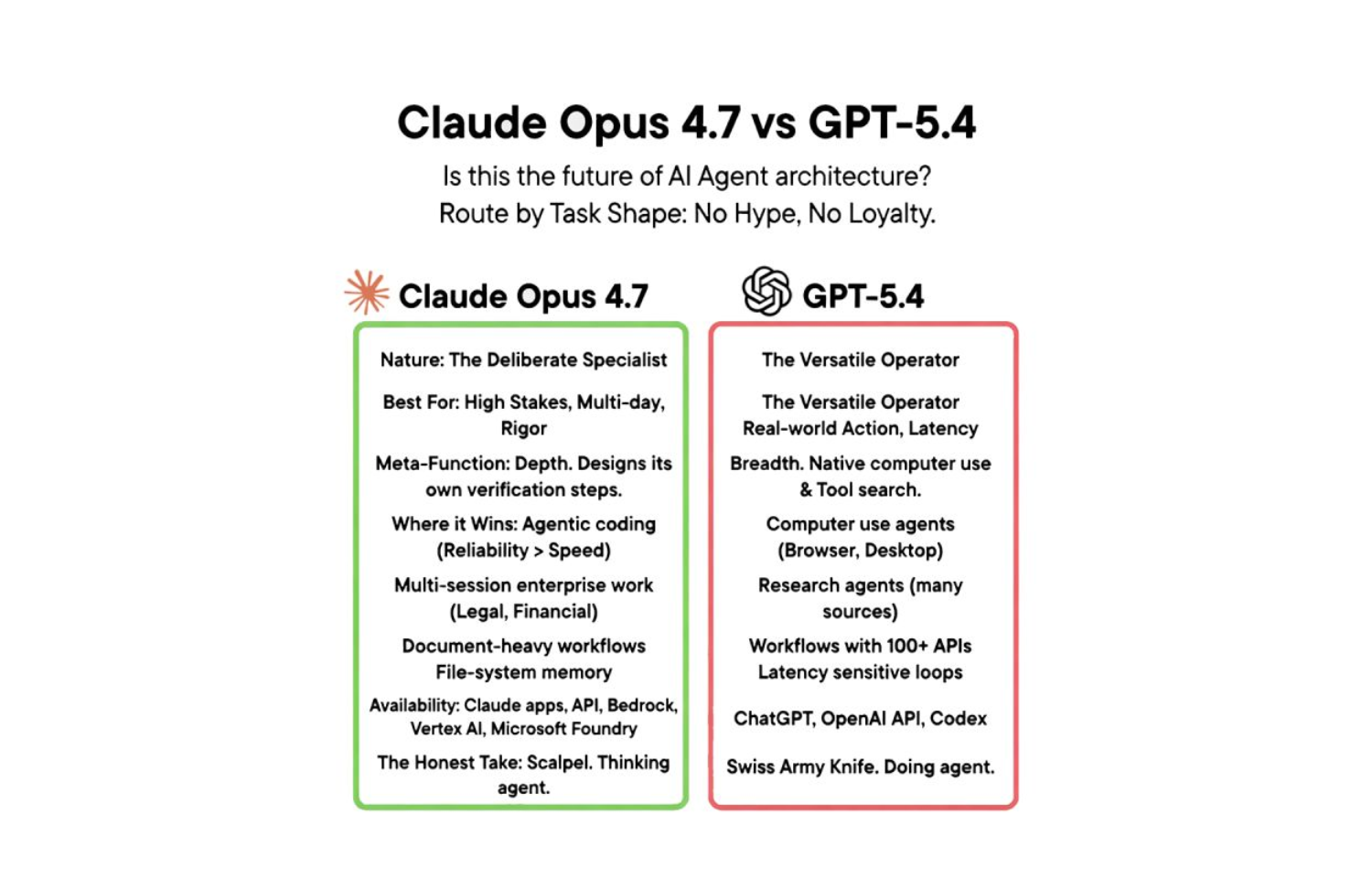
Claude Opus 4.7 vs GPT-5.4: It's Not a Benchmark Question. It's a Shape Question.
Choosing between Claude Opus 4.7 and GPT-5.4 is not about which model scores higher. It's about matching model architecture to task shape. A framework for engineers routing production workloads.- Published on
AILangChainLLMsRAGAI AgentsAI Infrastructure
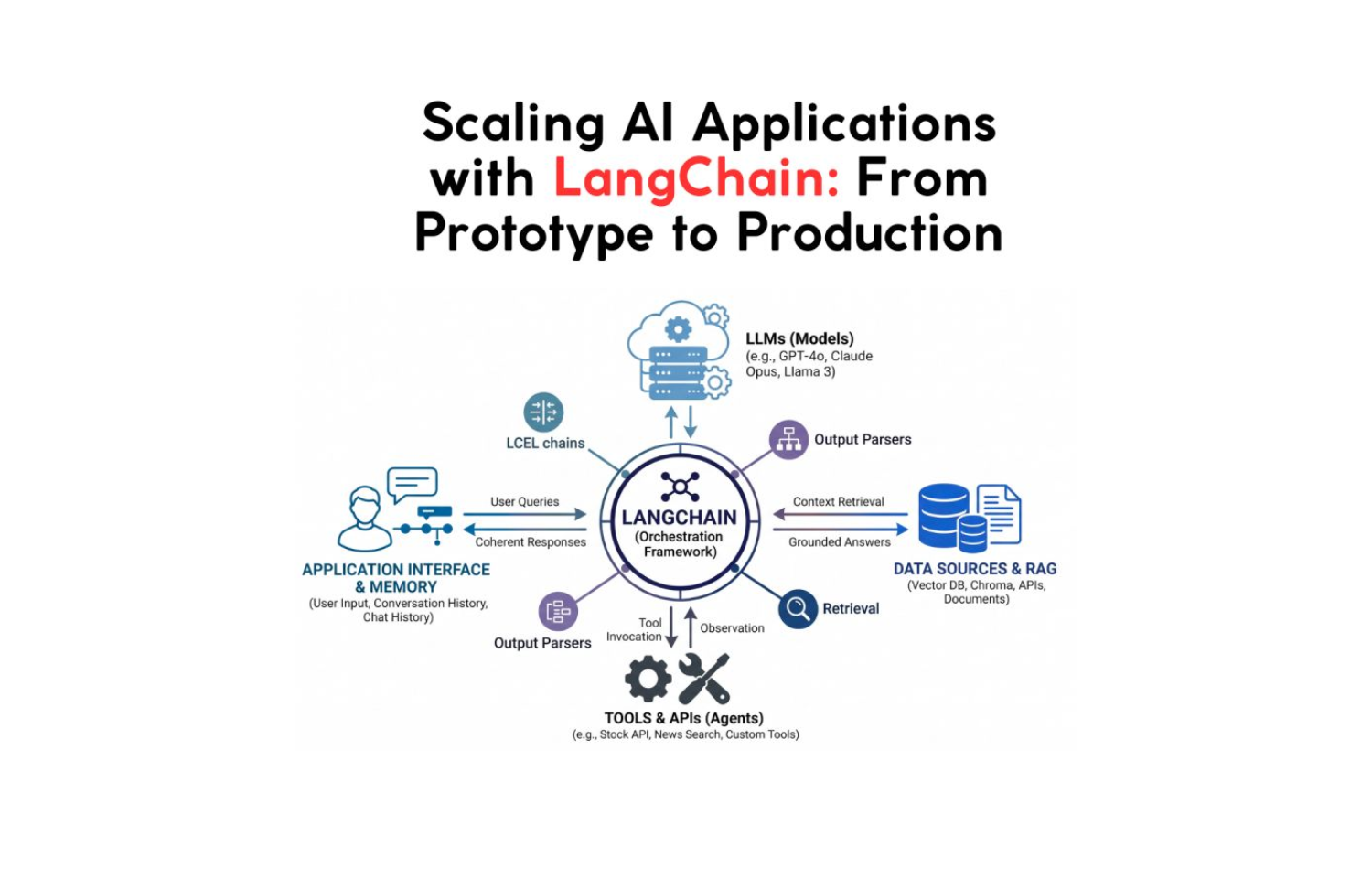
LangChain Explained: How to Connect LLMs, APIs, and Data Into Production AI Systems
You have an LLM. You have APIs and data. LangChain is the framework that makes them work together. A deep technical breakdown of chains, memory, RAG, agents, and how to build real production AI applications.- Published on
AIAI InfrastructureAI AgentsMachine LearningSystem Design
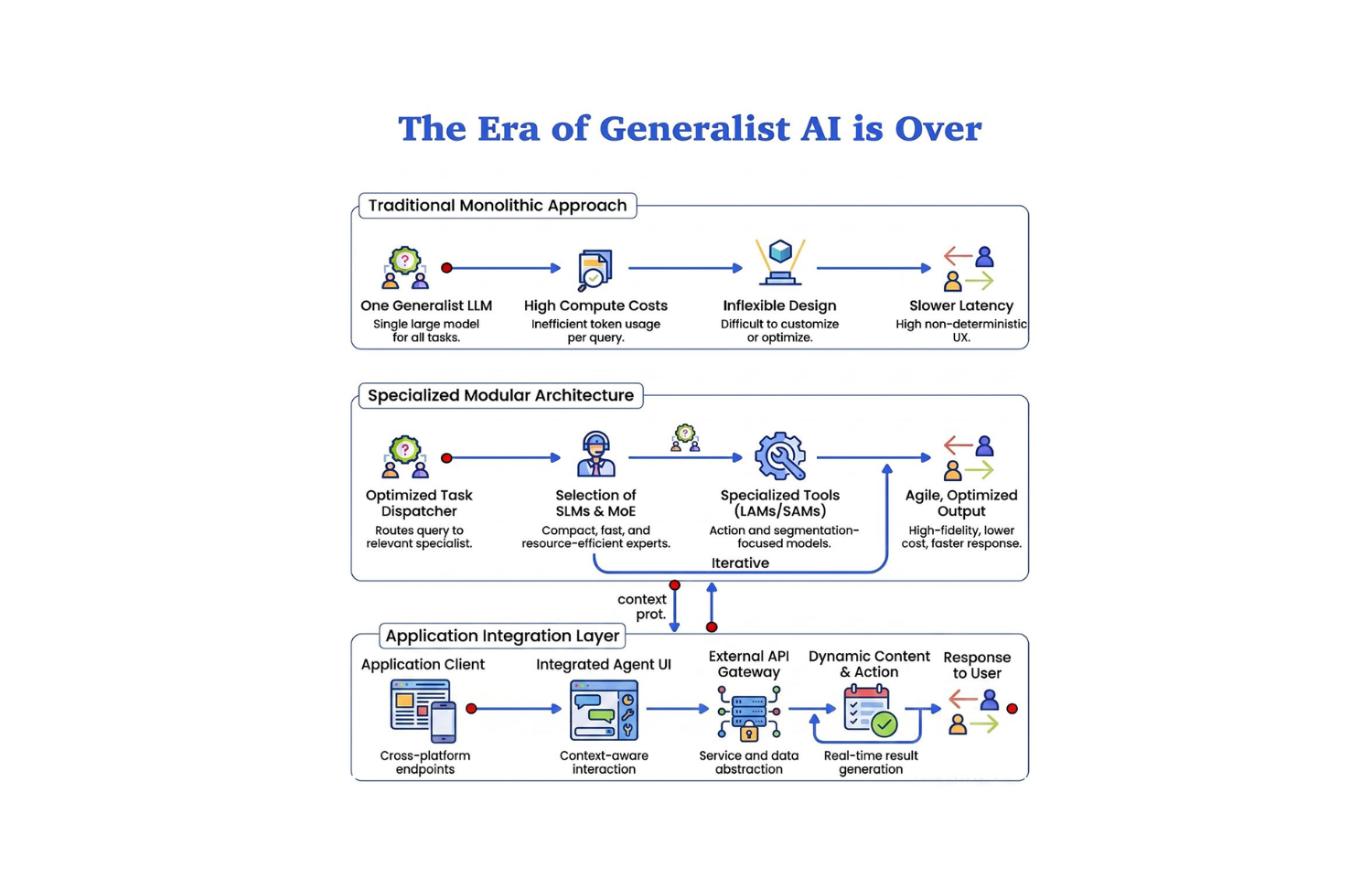
The Era of Generalist AI Is Over. Here Are the 8 Architectures Defining the Modern Stack.
Monolithic LLMs are technical debt with a GPU bill attached. The teams pulling ahead aren't using more AI, they're designing better architectures. A deep breakdown of the 8 AI model types reshaping production systems.- Published on
AIMCPAI AgentsAI InfrastructureDistributed Systems
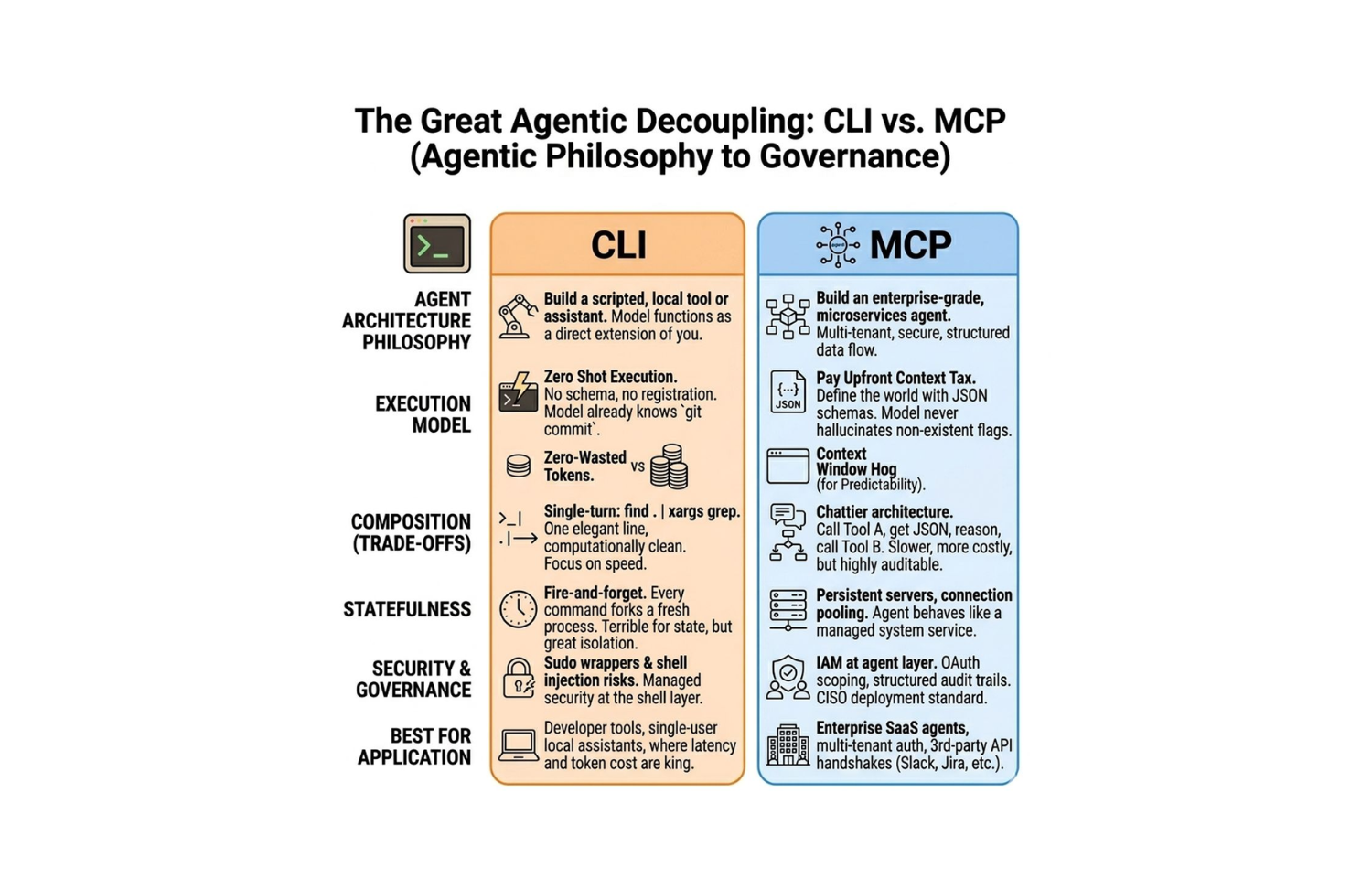
The Great Agentic Decoupling: CLI's Brute Force vs. MCP's Governance
CLI and MCP aren't competitors, they're two layers in the agentic stack. A deep technical breakdown of cold start, composition, statefulness, and security for engineers building autonomous systems.- Published on
AIRAGAI AgentsMCPAI Infrastructure
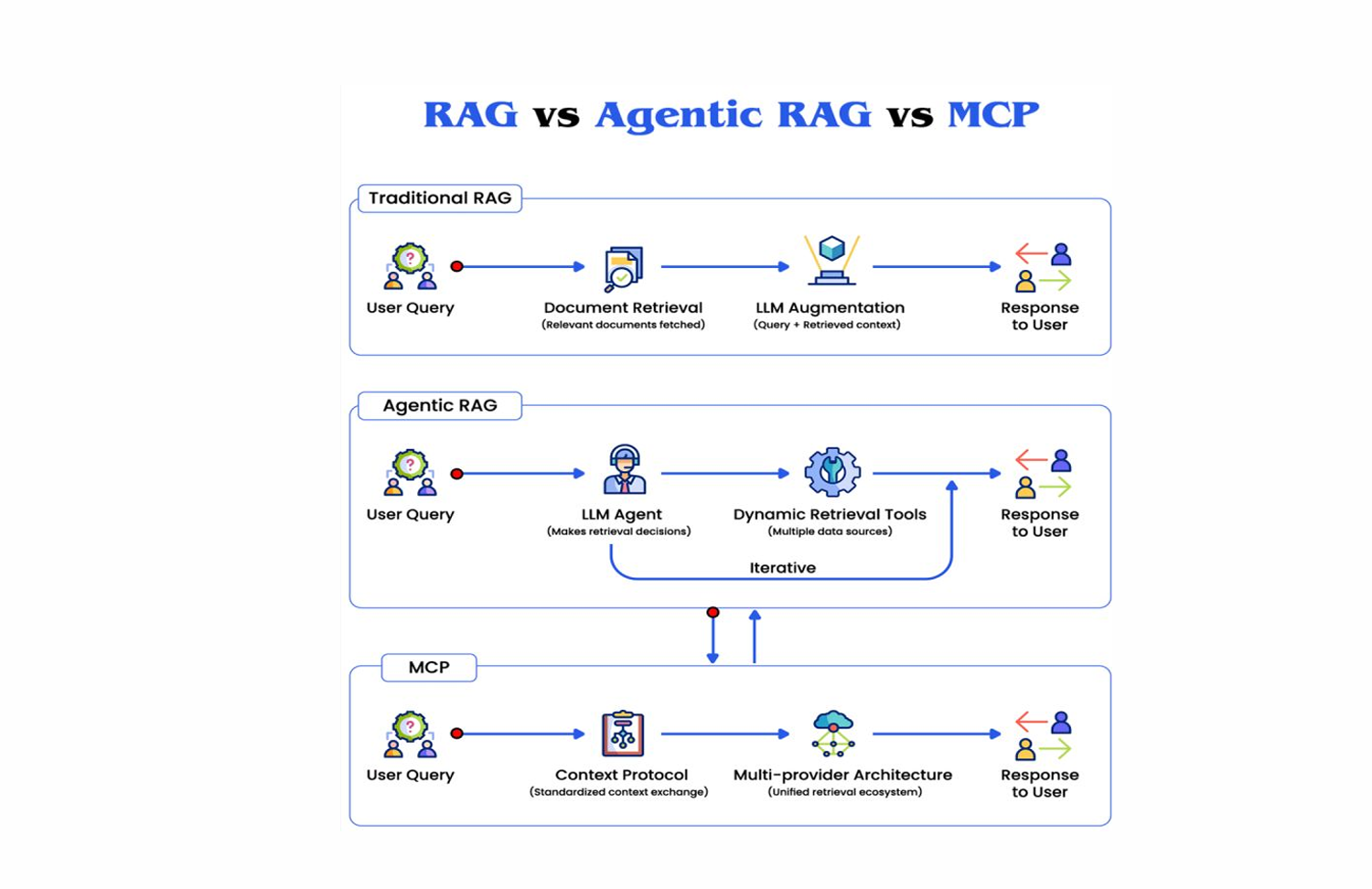
RAG vs Agentic RAG vs MCP: What's Really Powering the Next Generation of AI Integration
RAG vs Agentic RAG vs MCP, what's actually different, when to use each, and how Anthropic's Model Context Protocol is changing enterprise AI integration in 2026.- Published on
AISoftware EngineeringAI AgentsSDLCEngineering Leadership
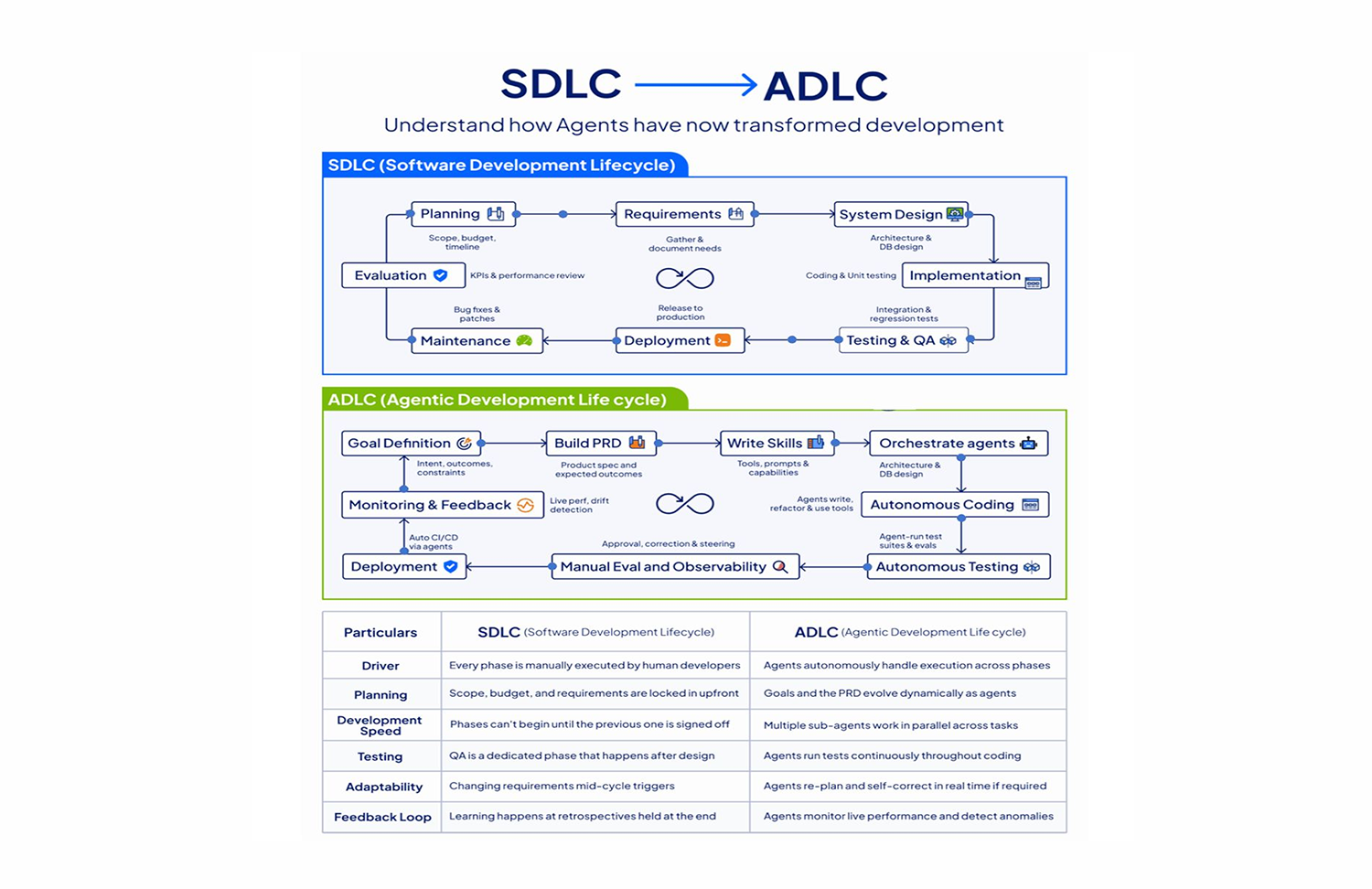
AI Agent-Enabled Development: Why the SDLC Is Quietly Becoming the ADLC
The SDLC is quietly becoming the ADLC. How AI agents are reshaping software development lifecycles, and what senior engineers need to do differently in 2026 and beyond.- Published on
AISoftware EngineeringDistributed SystemsAI InfrastructureEngineering Leadership
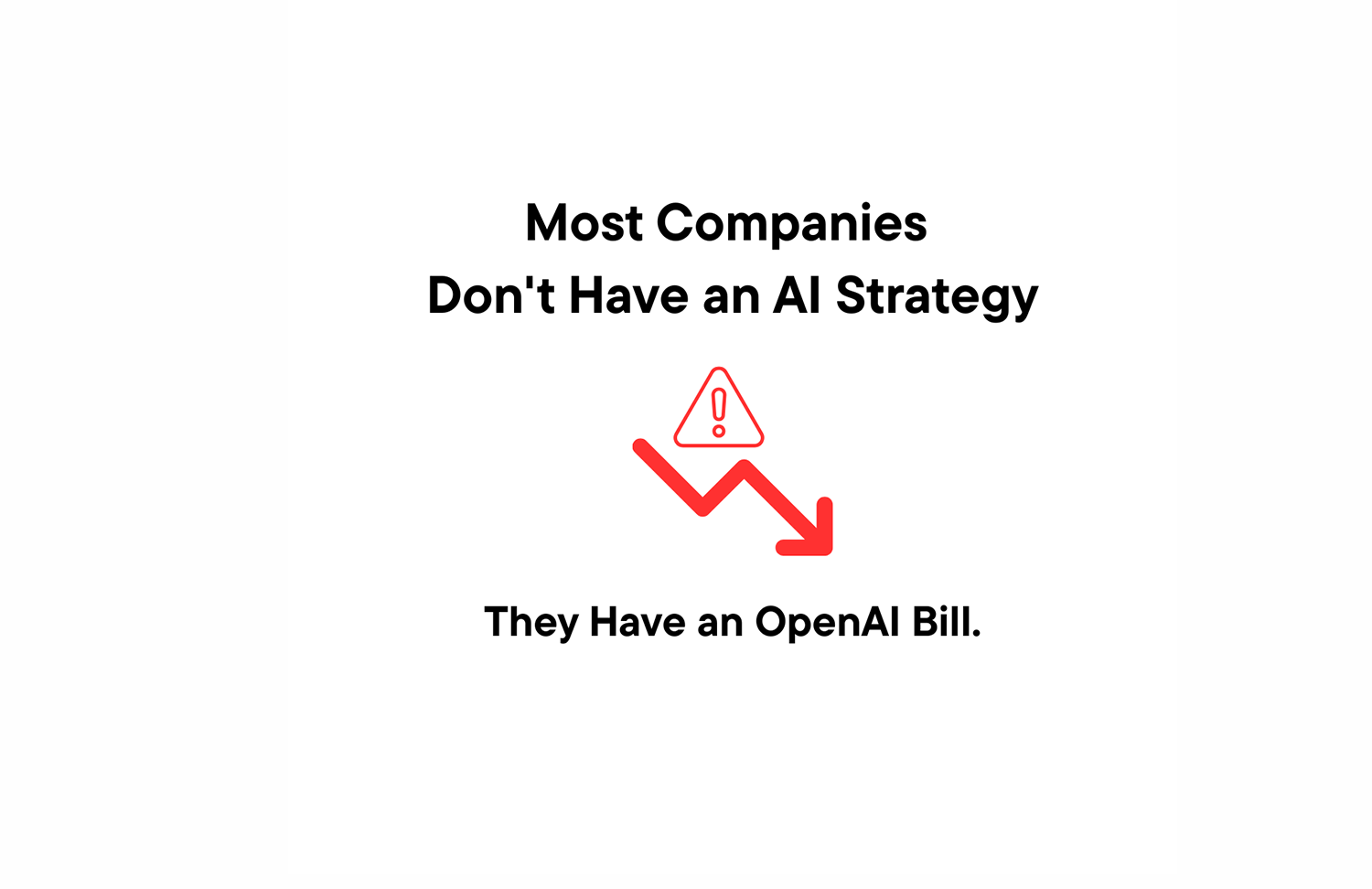
Most Companies Don't Have an AI Strategy. They Have an OpenAI Bill.
After architecting distributed platforms serving 50M+ users and billions of transactions, I keep watching smart teams make the same expensive mistake: confusing LLM API calls with AI systems. They are not the same. Not even close.- Published on
AISoftware ArchitectureMicroservicesDistributed SystemsAI Infrastructure
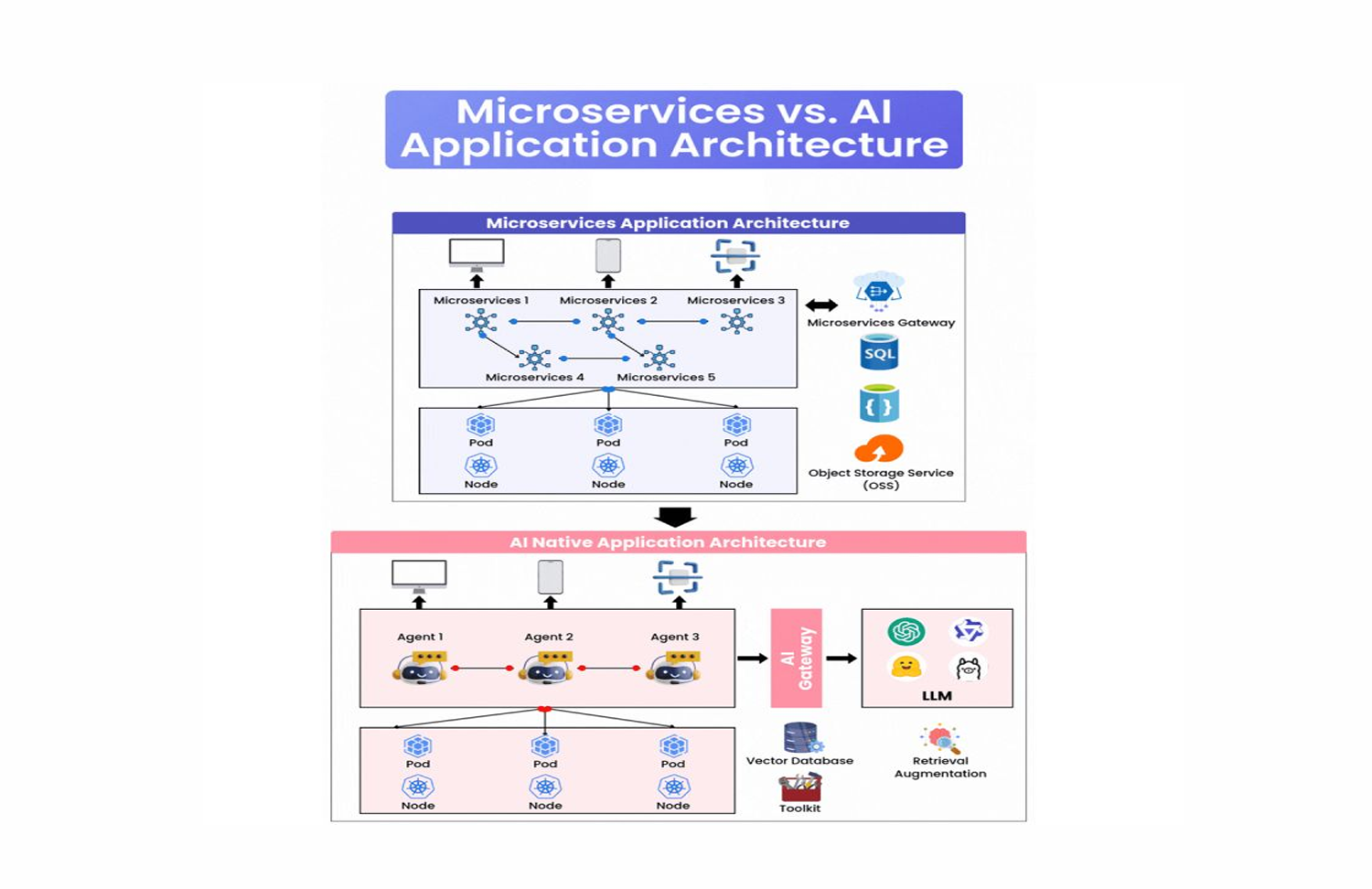
Microservices vs AI-Native Architecture: Two Paradigms, One Platform
Microservices aren't dead, but AI-native architecture plays by different rules. A practical comparison of both paradigms and how to integrate them in production systems.- Published on
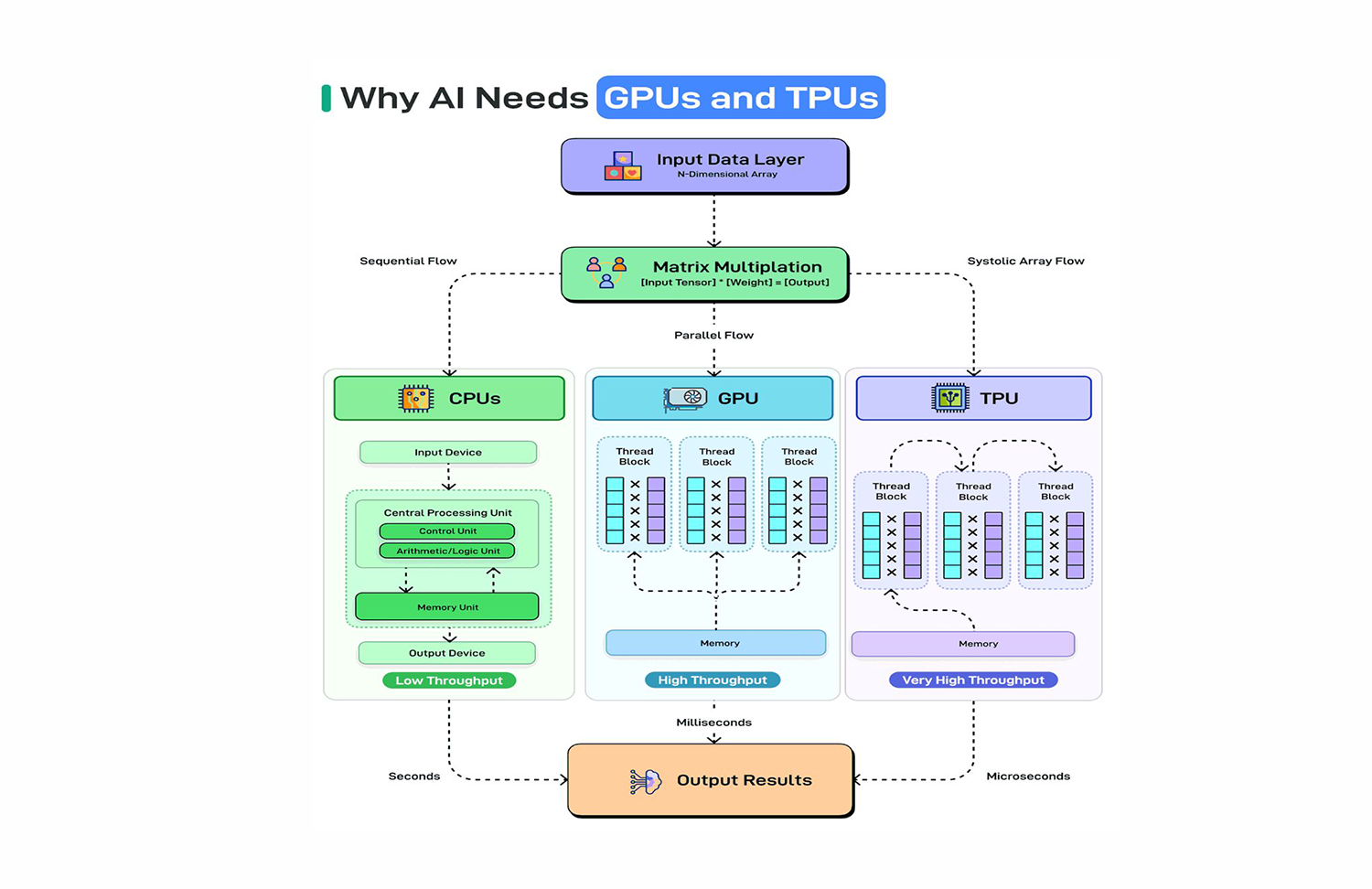
AIMachine LearningGPU ArchitectureCloud EngineeringInfrastructure
Why AI Needs GPUs and TPUs: The Hardware Behind Modern Machine Learning
AI is fundamentally a math problem at massive scale. Understanding why CPUs fall short, and how GPUs and TPUs changed everything, is essential knowledge for any engineer building AI-powered systems.- Published on